Industry Analysis
How ship propulsion systems shape
global freight decisions
Every container of cargo crossing the Pacific, Atlantic, or Indian Ocean depends on a carefully engineered propulsion system operating continuously under extreme marine conditions. For shippers evaluating air freight shipping versus ocean transport, understanding vessel propulsion is not an engineering curiosity — it is the foundation of route reliability, schedule adherence, and freight cost modeling.
Modern commercial fleets rely on four primary propulsion technologies, each calibrated for a specific combination of speed, range, cargo type, and emissions compliance. Choosing between sea and air freight shipping often comes down to understanding where on that spectrum a vessel sits — and what trade-offs that creates in your supply chain.
⚙️
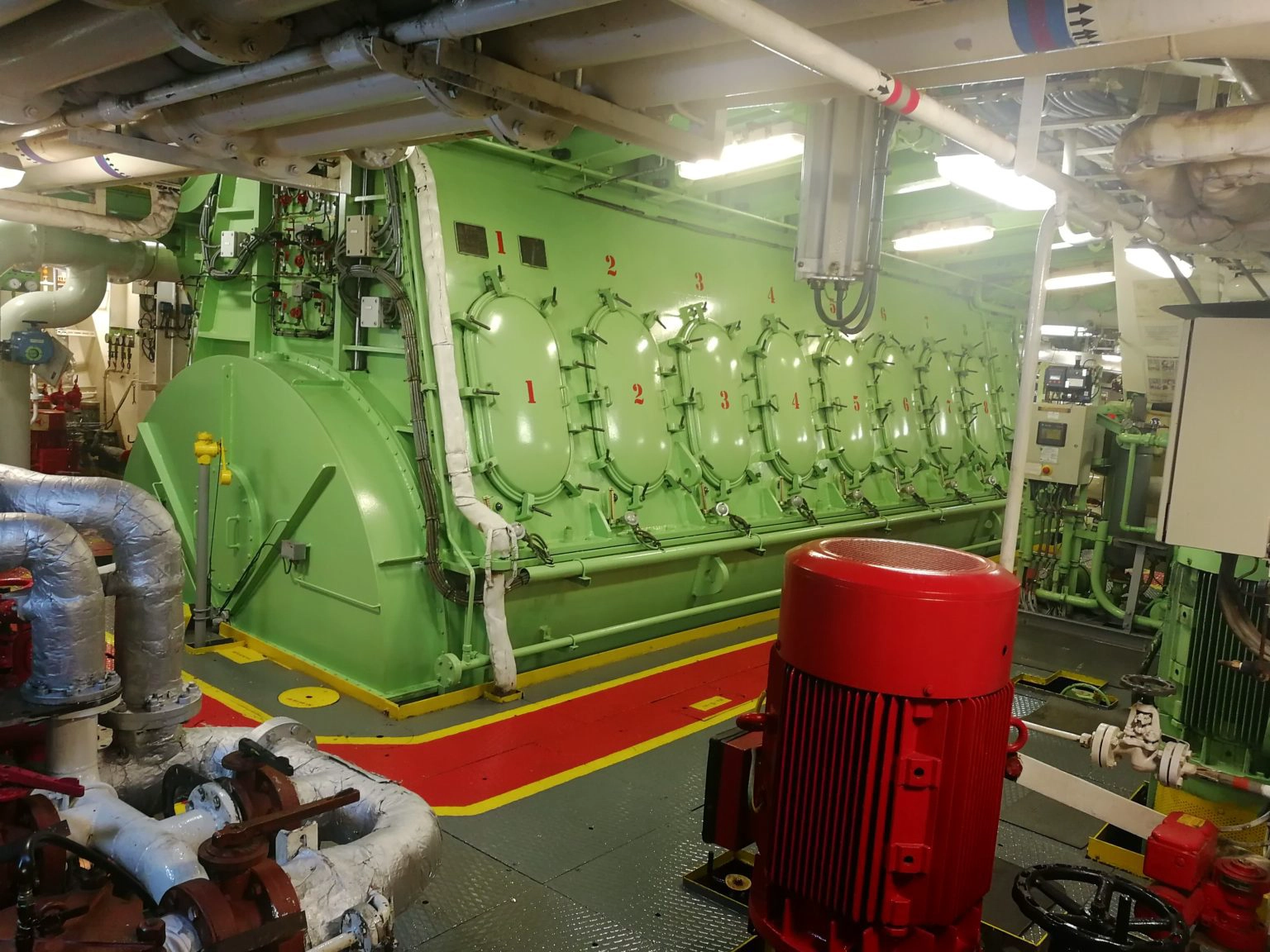
Diesel propulsion
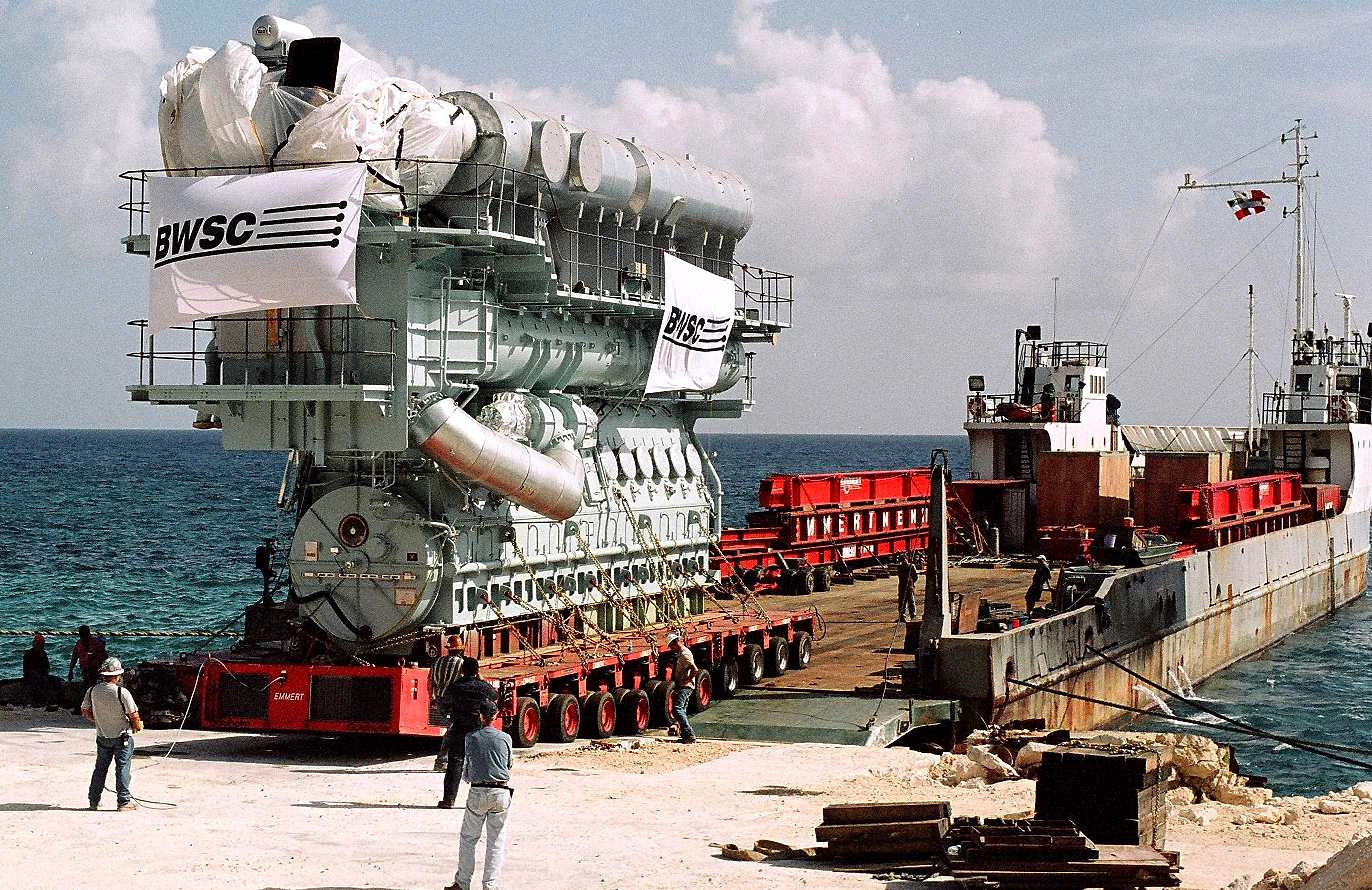
The backbone of bulk carriers, container ships, and tankers. Low-speed two-stroke marine diesels deliver unmatched thermal efficiency — critical for cost-competitive ocean freight on long deep-sea routes.
- High thermal efficiency (>50%)
- Strong torque for heavy cargo
- Reliable for long ocean voyages
- IMO emission compliance pressure
- Continuous high-load maintenance
Container ships Bulk carriers Tankers
⚡
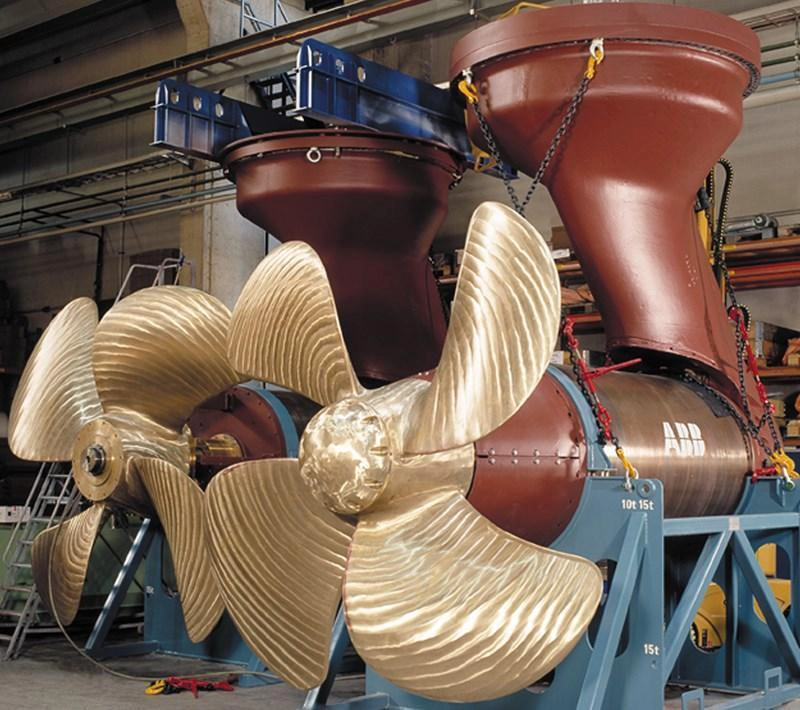
Diesel-electric propulsion
Diesel generators feed electric propulsion motors, enabling flexible power distribution, superior maneuverability in confined ports, and built-in redundancy for operational safety.
- Better load flexibility
- Improved port maneuverability
- Redundancy for safety
- Efficient onboard power distribution
Cruise ships Offshore OSVs Ice-class vessels
✈️
Gas turbine propulsion
High power-to-weight ratio and rapid acceleration make gas turbines ideal for naval vessels and high-speed ferries. Higher fuel burn limits commercial viability outside specialized applications.
- Lightweight design
- Rapid acceleration
- Compact machinery footprint
- Higher fuel consumption
- Reduced efficiency vs diesel
Naval vessels Fast ferries
⚛️
Nuclear propulsion
Aircraft carriers and submarines use reactor-based propulsion for virtually unlimited operational endurance. Regulatory and cost structures keep this technology outside commercial maritime trade.
- Extremely long endurance
- Minimal refueling requirements
- Stable high-power output
- Complex safety systems
- Strict international regulations
Aircraft carriers Submarines
Industry context: As IMO 2030 decarbonization targets approach, shipowners are integrating LNG dual-fuel engines, methanol-ready designs, and wind-assist rotor sails alongside conventional propulsion. This directly affects ocean freight transit times — and strengthens the case for air freight shipping on time-critical, high-value cargo where schedule reliability cannot be compromised by vessel retrofitting downtime or dry-dock disruptions.
Why shippers choose Sunny Worldwide Logistics
✈️
Priority air freight shipping lanes Direct partnerships on China–EU, China–US, and transpacific corridors.
🚢
Ocean & multimodal coverage FCL, LCL, and intermodal solutions bridging sea and air freight.
📋
Customs & compliance expertise In-house clearance teams across all key trade gateways.
📍
Real-time shipment tracking End-to-end visibility across all freight modes and carriers.
Frequently asked questions
What is the most fuel-efficient ship propulsion system for ocean freight?
Low-speed two-stroke marine diesel engines remain the gold standard for fuel efficiency on long ocean routes, achieving thermal efficiencies above 50%. For shippers comparing ocean freight vs air freight shipping, diesel-powered vessels offer the lowest cost-per-ton-kilometer on non-time-sensitive cargo where speed is not a critical variable.
How does ship propulsion technology affect ocean freight rates?
Propulsion efficiency directly drives bunker fuel consumption, the single largest variable in ocean freight rates. Vessels with modern slow-steaming capability or hybrid diesel-electric systems can reduce fuel costs by 15–25%, savings that translate into more competitive freight pricing on major trade lanes between Asia, Europe, and North America.
When should I choose air freight shipping over ocean freight?
Air freight shipping is optimal for high-value, low-volume, or time-sensitive cargo — pharmaceuticals, electronics, fashion — where vessel transit times of 20–35 days are commercially unacceptable. Ocean freight wins on cost for heavy, bulk, or non-perishable goods where a 3–5 day air transit cannot justify a 4–8× freight rate premium.
What are IMO 2030 emission regulations and how do they affect cargo shipping?
IMO 2030 targets a 40% reduction in carbon intensity versus 2008 levels. Shipowners are retrofitting propulsion systems with LNG dual-fuel engines, scrubbers, and energy-saving devices. During transition periods, dry-dock modifications create schedule gaps that make air freight shipping a critical contingency for supply chain continuity on tight delivery windows.
What is diesel-electric propulsion and why do cruise ships use it?
Diesel-electric propulsion uses onboard generators to produce electricity driving propulsion motors, rather than coupling the engine directly to the shaft. This delivers flexible power distribution, quieter operation, and superior slow-speed maneuverability — essential for cruise ships navigating complex ports and for offshore support vessels in dynamic positioning operations.
How does vessel propulsion choice affect cargo delivery schedules?
Propulsion system reliability is the primary driver of cargo shipping schedule adherence. A main engine failure on a VLCC can delay a shipment by 7–14 days. Freight forwarding professionals factor fleet age and propulsion type into contingency planning — and may recommend air freight shipping for critical orders during peak seasons or disruption periods.
Is nuclear propulsion used in commercial maritime freight?
No. Nuclear propulsion is limited to military vessels due to prohibitive construction costs, strict port access regulations, and complex waste management requirements. Commercial international cargo shipping relies exclusively on diesel, diesel-electric, LNG, and emerging hydrogen-based propulsion systems for ocean freight operations.
What is the future of ship propulsion in green logistics?
The industry is moving toward ammonia-ready engines, methanol dual-fuel systems, wind-assist rotor sails, and battery-hybrid propulsion for short-sea routes. As ocean freight decarbonizes, the total emissions profile of sea versus air freight shipping will shift — making lifecycle carbon analysis a core part of modern supply chain decision-making for global shippers.



 français
 Español
 Deutsche
 Italian
 русский
 简体中文
简体中文