
A new report from the International Maritime Bureau (IMB) points to a clear trend: piracy and armed robbery incidents are increasing across key trade lanes, and the Singapore Strait has become the most concentrated hotspot. For cargo owners, the issue is not just security at sea—it’s the chain reaction that follows: uncertain ETAs, disrupted sailing plans, added checks, and higher knock-on costs. In this environment, many shippers are reassessing which goods should stay on ocean routes and which should move on a faster, more controlled channel.

According to IMB records, piracy incidents against vessels reached 137 cases in 2025, up from 116 in 2024 and 120 in 2023. The Singapore Strait alone accounted for 80 incidents, nearly double the 43 reported the year before, representing 58% of all reported cases worldwide. The report also highlights escalation in violence: gun-related incidents in the strait rose from 8 (2024) to 27 (2025), and there were multiple cases involving hostages, threats, injuries, and assault. While many events are categorized as “low level,” the upward direction is hard to ignore.
Even when cargo is not directly affected, repeated incidents can change operational behavior—routing adjustments, tighter security protocols, and more conservative planning by carriers and crews. For shippers, that often translates into less predictable arrival times and increased buffer stock requirements. For e-commerce and promotional campaigns, “maybe on time” is effectively the same as late. For project cargo and spare parts, a few days’ delay can stop work downstream.

One Shenzhen exporter shipping 3C accessories into Singapore faced a tight launch window and couldn’t afford delivery drift. Instead of moving everything the same way, they separated the shipment by urgency: non-critical replenishment stayed on ocean freight, while the time-sensitive SKUs moved via air to shorten exposure to sea-route uncertainty. With a pre-check on declaration details and battery-related documents, the air cargo was consolidated, palletized, and dispatched on a confirmed flight schedule. The goods arrived in Singapore on time and were delivered to the warehouse without last-minute document scrambling.
For clients who decide to shift urgent cargo to air, execution matters more than slogans. Our team at Shenzhen Hongmingda Logistics (HMD) focuses on three things:
In day-to-day terms, this is the difference between “we’ll update you” and a shipment that stays on a predictable track.
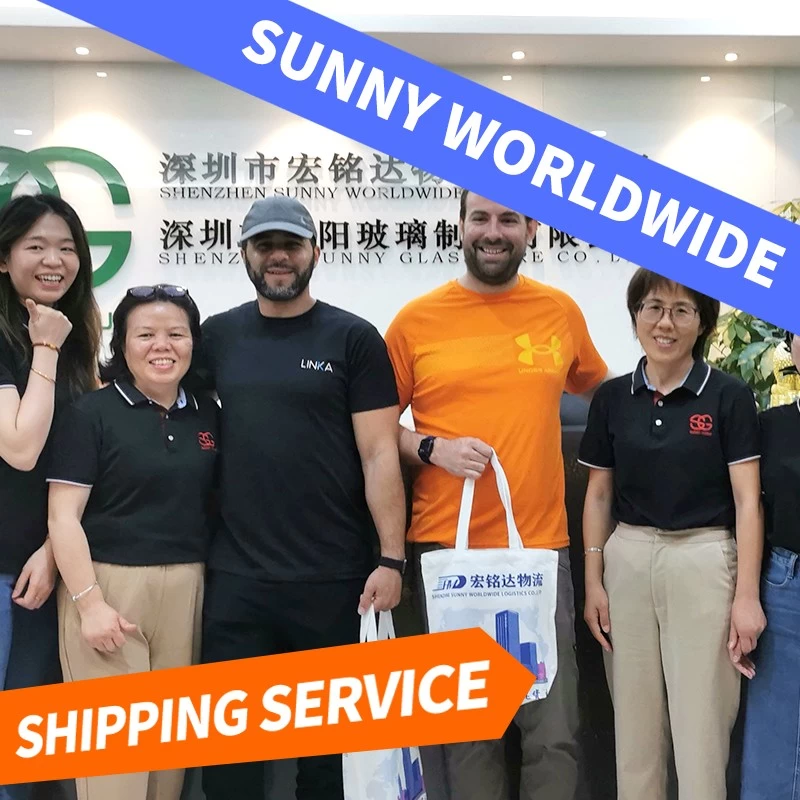
When the sea gets riskier, your delivery plan must get smarter.
Ask Sunny Worldwide (SZ) Logistics for a China to Singapore air freight plan: timeline + quote + compliance checklist.
Sunny Worldwide (SZ) Logistics Co., Ltd. (with the same name as its WeChat official account) has been deeply engaged in international logistics for nearly 30 years. As a NVOCC (No-Vessel Operating Common Carrier) approved by China's Ministry of Transport (Certificate No.: NV007258) and a senior member of the World Cargo Alliance (WCA), we have established long-term strategic cooperation with major shipping lines and airlines. Backed by hardware advantages including an exclusive warehouse at Yantian Port and our own container fleet, we provide one-stop sea and air freight solutions for China-Singapore routes and global trade. With end-to-end visual tracking and emergency response capabilities, we help shippers mitigate transportation risks and ensure on-time deliveries.

 français
 Español
 Deutsche
 Italian
 русский
 简体中文
简体中文