
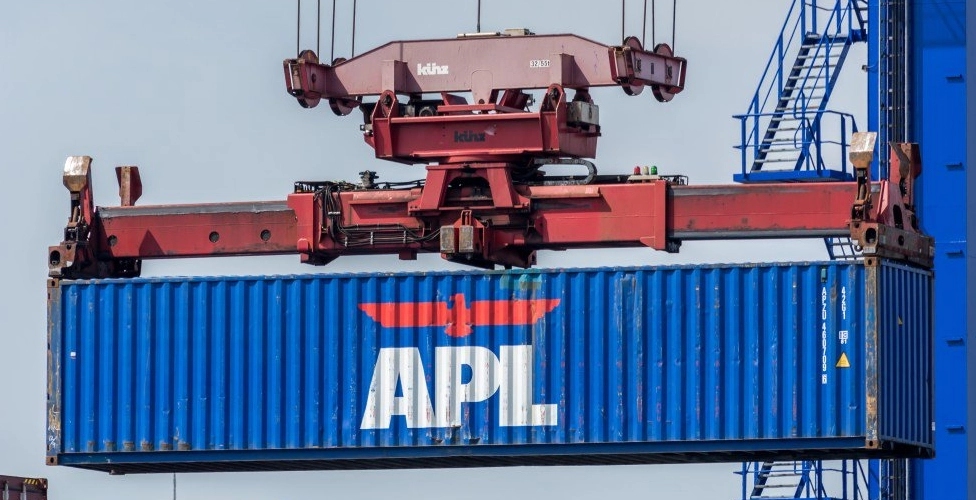
In recent years, with the deepening of RCEP regional economic and trade cooperation, the Philippine market has continuously attracted the attention of Chinese foreign trade enterprises due to its huge consumer potential. However, behind the booming export data lies a “nightmare” in the logistics link for many freight forwarders and traders—specifically, Philippines Customs Clearance Services.
Containers lingering in ports for weeks, high inspection rates, and even auctions due to clearance failures are not alarmist exaggerations, but daily realities in China-Philippines trade.
For exporters, the moment a container destined for the Philippines leaves the port, their hearts leap to their throats. Industry insiders generally agree that the “difficulty” of Philippines customs clearance is mainly reflected in the following three core pain points:
1.Ever-changing Policies and the “Green Channel” Maze:
Philippine customs policies adjust frequently, and valuation standards for imported goods are extremely strict. Many freight forwarders unfamiliar with local rules often declare according to standard procedures, only to encounter a “red light” due to HS code classification discrepancies or valuation issues. Once a container is randomly flagged for inspection (often called “fishing for containers”), the cargo enters a long period of waiting, generating high demurrage charges and potentially leading to stockouts.
2.Cumbersome Documentation Where Minor Errors Cost Huge Sums:
Compared to Europe and the US, Philippines customs clearance is nearly harsh in its documentation requirements. Invoices, packing lists, and certificates of origin must be highly consistent. Even a tiny discrepancy in punctuation or spelling can cause clearance failure. Furthermore, specific products require special import licenses (PSA/PSB). Logistics operations lacking a professional pre-screening mechanism often bury hidden risks right from the point of origin.
3.Proliferation of Gray Operations and Uncontrollable Compliance Risks:
Under the immense pressure of clearance, “gray channel clearance” methods have quietly proliferated in the market. While this may seem to solve urgent problems, for legitimate enterprises focused on brand building (such as Amazon sellers and brand owners), this approach is akin to drinking poison to quench thirst. It easily exposes them to legal risks, including smuggling charges and cargo confiscation.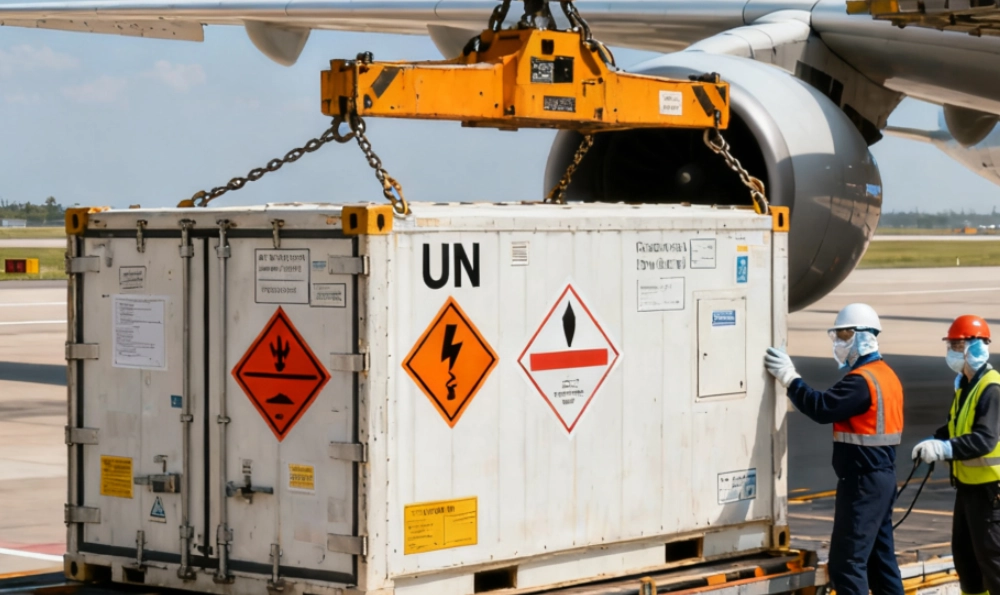
In a mixed logistics market, facing the heavy hurdles of Philippines customs, only enterprises with deep resources and compliant operational capabilities can respond calmly. Sunny Worldwide Logistics, a “Regular Army” backed by nearly 20 industry giants including Huawei, Costco, and SF Express, is opening up a safe and efficient green channel for China-Philippines trade with its unique service advantages.
Sunny Worldwide Logistics knows well that solving Philippines clearance issues cannot rely solely on end-point handling, but requires precise control over the entire process.
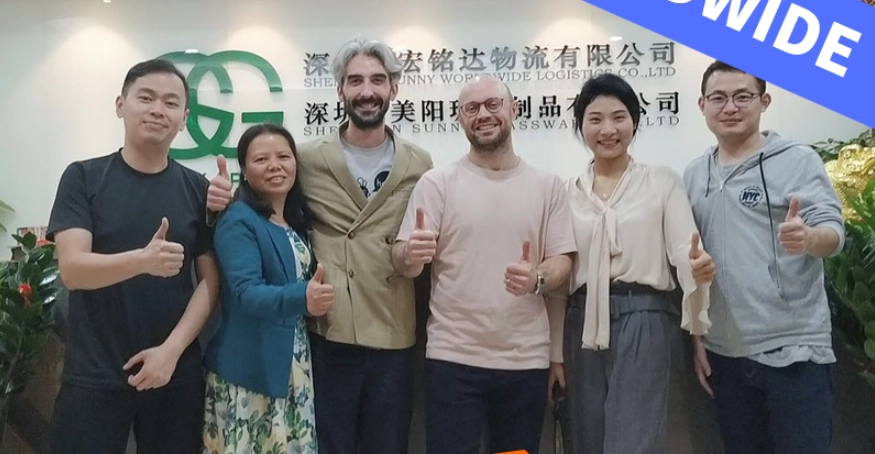
Relying on its strong global network, Sunny Worldwide Logistics not only solves clearance pain points but also provides clients with all-around logistics support:
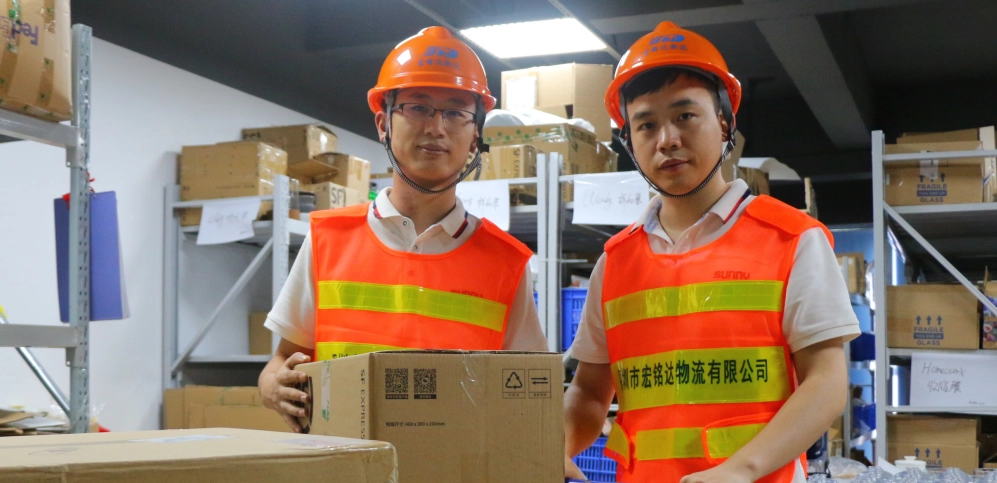
For foreign trade professionals, choosing a partner with both “hard strength” and “soft service” in Philippines customs clearance is the key to winning the market.Sunny Worldwide Logistics Logistics, with its regular army qualifications and a care level that is “even more than the cargo owner,” is becoming the most trusted bridge connecting China and the Philippines.

 français
 Español
 Deutsche
 Italian
 русский
 简体中文
简体中文